
ohio cdl manual
Overview of Ohio CDL Manual
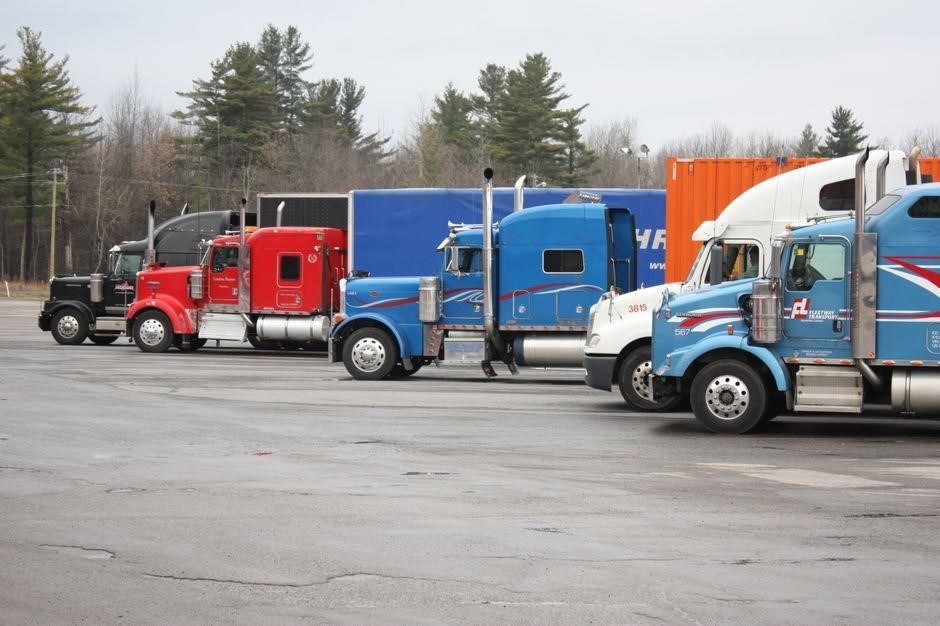
The Ohio CDL Manual offers a concise guide for prospective truck drivers, detailing licensing steps, required tests, endorsements, and renewal processes. It aligns with state regulations, ensuring drivers meet safety standards and stay compliant throughout their careers. It also covers safe driving tips.
Purpose and Scope
The Ohio Commercial Driver’s License (CDL) Manual is the definitive guide for obtaining, maintaining, or renewing a CDL in Ohio. It provides clear, concise, up‑to‑date information on licensing requirements, testing procedures, and regulatory expectations. Designed for first‑time applicants, experienced drivers, and instructors, the manual offers easy navigation through eligibility criteria, application steps, and required documents. It also outlines the responsibilities of drivers in preventing accidents and protecting public safety. It also covers the structure of knowledge and skills tests, common endorsements, and the renewal process, promoting safer commercial roadways across the Buckeye State.
It stresses ongoing education, urging drivers to stay current with federal regulations, safety technologies, and vehicle maintenance best practices. The Ohio Department of Public Safety’s enforcement, inspection, and penalty roles are highlighted, reinforcing compliance and professionalism on highways. It also provides guidance on electronic logging devices, and promotes safe driving habits!!
Updated annually, the manual reflects legislative changes and industry developments, ensuring consistent application of safety standards statewide!!
Regulatory Framework
Ohio’s CDL system is governed by a layered regulatory structure that integrates federal mandates from the FMCSA with state‑specific statutes and administrative rules issued by the Ohio Department of Public Safety. The Ohio Revised Code Chapter 451 establishes the core licensing framework, defining vehicle classifications, driver qualifications,procedural requirements for issuance, suspension, revocation, and renewal of commercial driver licenses. Within this foundation, the ODPS promulgates rules that interpret and operationalize the ORC, such as the Ohio Commercial Driver’s License Rules (Rule 451.01), detailing application process and testing schedules.
Enforcement of the regulatory framework is carried out through administrative oversight and on‑road inspections. ODPS inspectors conduct mandatory skills and knowledge tests, verify medical certification,andevaluate compliance with vehicle safety standards. The agency administers electronic logging device mandates, ensuring drivers record hours of service per FMCSA regulations. Penalties for non‑compliance range from fines to license suspensions, and in severe cases, criminal charges may be pursued under the Ohio Revised Code
To support improvement, the ODPS collaborates with federal agencies safety partners to monitor metrics, conduct audits, and implement corrective action plans. This approach ensures Ohio’s commercial driving community remains aligned with safety objectives while addressing transportation needs in line with federal safety for safety.

Licensing Process
Ohio’s CDL licensing begins with a written knowledge test, followed by a skills assessment. Applicants must submit proof of residency, a valid driver’s license, and a medical card. Successful candidates receive a commercial permit, then a full CDL after passing all required endor
Eligibility Requirements
To qualify for an Ohio commercial driver’s license (CDL), applicants must satisfy several statutory criteria. First, they must be at least 18 years old to drive within Ohio and 21 years old to transport hazardous materials or cross state lines. A valid non‑commercial driver’s license is required, and the applicant must hold a clean driving record with no disqualifying violations within the past three years. Applicants must also provide proof of Ohio residency, typically a utility bill or lease agreement dated within the last 90 days. A valid medical certificate issued by a licensed physician, indicating the driver meets the physical standards for commercial driving, is mandatory. The certificate must be current and include a signed statement that the driver is medically fit to operate a commercial vehicle. Applicants must pass the Ohio Department of Transportation (ODOT) written knowledge test, which covers federal and state regulations, vehicle inspection. Successful completion of the written test grants a commercial learner’s permit, which must be held for a minimum of 14 days before scheduling the skills test. The skills test evaluates the candidate’s ability to perform a pre‑trip inspection, basic vehicle control maneuvers, and emergency braking. Only after passing both the written and skills tests can the applicant receive a full CDL. Applicants who have previously held a CDL in another state must also submit an out‑of‑state license transfer application retake the test classification;
Application Steps
Step 1: Gather required documents such as a valid Ohio driver’s license, proof of residency, and a current medical certificate; Step 2: Complete the Ohio CDL application form available at the Department of Motor Vehicles (DMV) website or in person. Step 3: Pay the application fee, which varies by license class and endorsement. Step 4: Schedule and take the written knowledge test at an approved testing center. Step 5: Upon passing the written test, receive a commercial learner’s permit. Step 6: Hold the permit for at least 14 days before booking the skills test. Step 7: Prepare for the skills test by reviewing the Ohio CDL Manual and practicing vehicle inspection, basic control, and emergency maneuvers. Step 8: Schedule the skills test through the DMV, ensuring you have a certified examiner and a compliant vehicle. Step 9: Complete the skills test. Step 10: If successful, submit the test results and receive your full CDL. Step 11: If you hold an out‑of‑state CDL, submit a transfer application and provide the out‑of‑state license for evaluation. Step 12: Await final processing and pick up your license from the DMV office. Throughout the process, maintain a clean driving record and adhere to all federal and state regulations. This structured approach ensures compliance and facilitates a smooth transition to commercial driving in Ohio. Applicants should review the Ohio Department of Transportation’s online resources for updates on testing locations, fee changes, and adjustments before applying soon.
Required Documentation
To apply for an Ohio commercial driver’s license, applicants must assemble a specific set of documents that verify identity, residency, legal status, and medical fitness. The core items include:
- Valid Ohio driver’s license or out‑of‑state license – a current, unexpired license that serves as proof of driving experience.
- Proof of Ohio residency – a utility bill, lease agreement, bank statement, or official government document dated within the last 90 days.
- Social Security card or proof of legal presence – a Social Security card, birth certificate, passport, or immigration documents that establish the applicant’s eligibility to work in the United States.
- Medical Examiner’s Certificate (Form 395) – a completed medical exam performed by a certified physician, indicating the applicant meets the health standards required for commercial driving.
- Out‑of‑state CDL (if applicable) – the original out‑of‑state commercial driver’s license, which the Ohio Department of Transportation will evaluate for equivalency.
- Proof of employment or intent to work – a letter from a prospective employer or a signed statement of intent that the applicant will operate a commercial vehicle in Ohio.
- Proof of application fee receipt – a copy of the payment confirmation or receipt for the application and testing fees.
Applicants should double‑check that each document is current, legible, and meets the specific format requirements outlined by the Ohio Department of Transportation. Missing or incomplete paperwork can delay the application process and may require resubmission at a later date and safety!

Testing and Endorsements
The Ohio CDL Manual outlines the general knowledge test, skills test components, and common endorsements and restrictions. Candidates must pass a written exam covering commercial driving rules, then complete a practical skills test. Endorsements such as H, P, or N require additional tests. compliance.OK
General Knowledge Test

The Ohio Commercial Driver’s License (CDL) General Knowledge Test is a comprehensive multiple‑choice examination that evaluates a candidate’s knowledge of federal and state regulations, vehicle operation, and safety protocols. The test typically contains 75 questions divided into several sections: basic vehicle inspection, hazardous materials handling, driving techniques for various vehicle types, traffic laws and signs, legal responsibilities, and emergency procedures. Candidates must achieve a minimum score of 70% to pass. The test is administered at authorized testing centers throughout Ohio and is available in multiple languages to accommodate diverse applicants. Preparation resources include the official Ohio CDL Manual, online practice tests, and study guides that cover all test topics in depth. The manual also outlines the testing schedule, retake policies, and the use of electronic testing devices. Successful completion of the General Knowledge Test is required before a driver can proceed to the skills test and obtain a full CDL. The test emphasizes safe driving practices, proper vehicle handling, and adherence to legal requirements, ensuring that all commercial drivers are well‑prepared to operate large vehicles responsibly on Ohio’s roads; Lorem ipsum dolor sit amet, consectetur adipiscing elit, sed do eiusmod tempor incididunt ut labore et dolore magna aliqua. Ut enim ad minim veniam, quis nostrud exercitation ullamco laboris nisi ut aliquip ex ea commodo consequat. Duis aute irure dolor in reprehenderit in voluptate velit esse cillum dolore eu fugiat nulla pariatur. Excepteur sint occaecat cupidatat non proident, sunt in culpa qui officia deserunt mollit anim id est laborum.
Skills Test Components
The Ohio CDL Skills Test evaluates a driver’s practical abilities through a structured sequence of maneuvers that mirror real‑world driving scenarios. The test is divided into three primary sections: the pre‑trip inspection, basic vehicle control, and on‑road driving. In the pre‑trip inspection, the examiner verifies that the driver can perform a thorough safety check, inspecting tires, brakes, lights, and fluid levels, and ensuring that the vehicle is mechanically sound before it is driven. The basic vehicle control portion requires the driver to demonstrate proficiency in steering, braking, and reversing in a controlled environment, including a backing test, a forward drive, and a maneuver around a cone. The on‑road driving segment challenges the driver to navigate traffic, obey traffic signals, and execute complex tasks such as loading, unloading, and parking, while maintaining safe distances and proper lane positioning. Candidates must complete all three sections within the allotted time and meet the minimum performance standards set by the Ohio Department of Transportation; The test is conducted at approved testing facilities and may be repeated if any component is not passed. Preparation materials include the Ohio CDL Manual, practice tests, and instructional videos that cover each maneuver in detail. Successful completion of the skills test grants the driver a commercial license, enabling them to operate large vehicles safely on Ohio roads. Lorem ipsum dolor sit amet, consectetur adipiscing elit, sed do eiusmod tempor incididunt ut labore et dolore magna aliqua. Ut enim ad minim veniam, quis nostrud exercitation ullamco laboris nisi ut aliquip ex ea commodo consequat. Duis aute irure dolor in reprehenderit in voluptate velit esse cillum dolore eu fugiat nulla pariatur. Excepteur sint occaecat cupidatat non proident, sunt in culpa qui officia deserunt mollit anim id est laborum.
Common Endorsements and Restrictions
Ohio CDL drivers often seek endorsements that expand their commercial operating privileges. The most common endorsements are B for double/triple trailers, C for hazardous materials, P for passenger vehicles, and H for hazardous cargo. Each endorsement requires a written exam and a skills test that demonstrates safe handling of the specific vehicle type. Restrictions keep drivers and the public safe. The R restriction limits a driver to operating only the vehicle for which the license was issued. Other restrictions include H for hazardous cargo, J for special equipment, and M for multi‑unit vehicles. Drivers must disclose any medical condition that could impair performance and may be required to submit a medical certificate. The Ohio Department of Transportation reviews endorsements and restrictions periodically and drivers can request changes by filing a formal application. Compliance with endorsements and restrictions is mandatory; violations can result in license suspension or revocation. Proper documentation and timely renewal of endorsements are essential for maintaining a valid commercial license. The Ohio CDL Manual provides detailed instructions for each endorsement and restriction, including eligibility criteria, exam content, and testing procedures. By following the manual’s guidelines, drivers can ensure they meet all legal requirements and operate safely on Ohio’s roads.
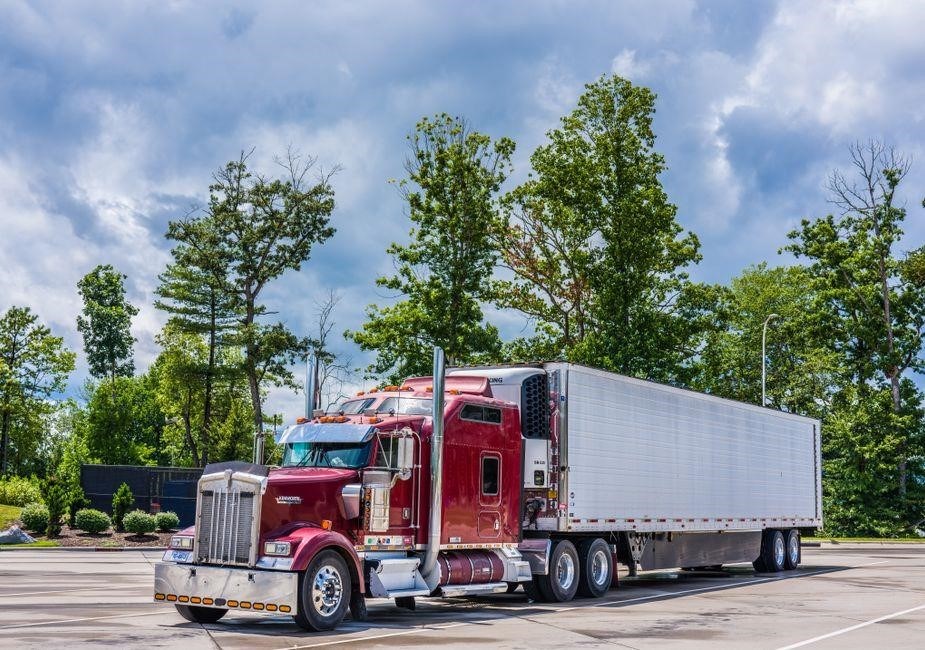
Compliance matters.

Compliance and Renewal
Ohio CDL renewal requires a valid license, a clean driving record, and a medical exam if over 70. Renewals are due every 5 years, with a 30‑day notice. Drivers must update endorsements, pay fees, and submit a renewal application online or at a local office. Thanks!

Renewal Procedures

Ohio CDL renewal is a structured process that ensures drivers remain compliant with safety standards. The renewal cycle is five years, and the Department of Commerce requires that applicants submit a renewal application before the license expires. The process can be completed online via the Ohio Business Gateway or in person at a local Department of Commerce office. Applicants must provide a current valid driver’s license, a clean driving record, and, if the driver is 70 years or older, a valid medical certificate issued by an authorized physician. The renewal fee is $45 for a standard CDL and $60 for a commercial driver’s license with endorsements. In addition, drivers must pay any outstanding fines or fees that may be associated with their license. The online portal allows applicants to upload scanned copies of required documents, including a signed medical certificate, proof of identity, and a recent photograph. Once the application is submitted, the Department of Commerce will verify the information, update the driver’s record, and issue a new license via mail. Drivers who fail to renew within the 30‑day grace period may be required to retake the knowledge test. It is essential to keep the renewal application current to avoid penalties and ensure uninterrupted driving privileges.
Ohio law requires drivers to keep a medical certificate for each vehicle type. Drivers must update address changes within 30 days. The online renewal portal accepts e‑signatures, speeding processing and ensuring licenses new arrivewithin 10 business days.