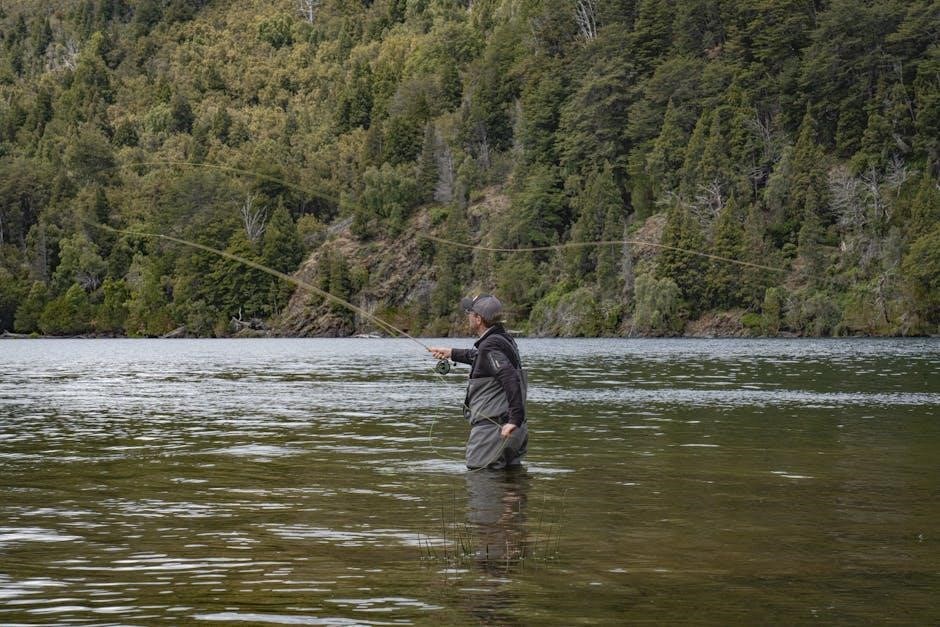
fly line weight guide
Fly Line Weight Guide: A Comprehensive Overview (Updated 05/04/2026)
Navigating the world of fly fishing requires understanding fly line weights, as they directly impact casting distance and presentation.
AFFTA standards define these weights,
linking them to grain measurements for the first 30 feet of line, ensuring compatibility with various rod weights and fishing scenarios.
Understanding Fly Line Weight Fundamentals
Fly line weight isn’t about the line’s physical thickness, but rather its weight – specifically, the weight of the first 30 feet. This weight is crucial because it provides the necessary mass for loading the fly rod during the cast, effectively transferring energy to propel the fly forward. Understanding this fundamental principle is key to selecting the right line for your rod and fishing conditions.
The system used to categorize fly line weight is standardized by the American Fly Fishing Trade Association (AFFTA). These standards ensure consistency across different manufacturers, allowing anglers to confidently match lines to rods. Each weight designation (e.g., 2-weight, 5-weight, 8-weight) corresponds to a specific grain weight range. A higher weight indicates a heavier line, suitable for larger rods and heavier flies.

Choosing the correct fly line weight is paramount for achieving optimal casting performance. An improperly weighted line can lead to poor casting distance, inaccurate presentations, and even rod damage. Therefore, a solid grasp of these fundamentals is essential for any fly angler seeking to improve their technique and enjoyment of the sport.

What is Fly Line Weight?
Fly line weight is a numerical designation indicating the line’s weight, not its diameter. It’s a system designed to match the line’s mass to the power of a fly rod, enabling efficient energy transfer during casting. This weight is measured by the weight of the first 30 feet of the line, expressed in grains – with a higher grain weight signifying a heavier line.
Essentially, the weight dictates how much “load” the rod will experience during the casting stroke. A heavier line bends the rod more deeply, requiring a more powerful rod to handle it. Conversely, a lighter line requires a lighter, more delicate rod. This matching process is critical for achieving proper casting form and distance.
Understanding fly line weight is fundamental to successful fly fishing. It’s not simply about picking a number; it’s about understanding the relationship between line weight, rod power, and the size of the flies you intend to cast. Proper weight selection maximizes casting efficiency and presentation accuracy, ultimately leading to more successful fishing experiences.
AFFTA Fly Line Weight Standards
The American Fly Fishing Trade Association (AFFTA) establishes standardized fly line weight specifications, ensuring consistency across manufacturers. These standards define the acceptable weight range (in grains) for each line weight designation, from #0 to #16, though weights beyond #12 are less common for typical fly fishing applications.
For example, a #5 fly line, according to AFFTA standards, should weigh between 140 and 170 grains for the first 30 feet. This standardization allows anglers to confidently select a line knowing it will fall within a defined weight range, compatible with a rod rated for that weight. Deviation from these standards can lead to casting inefficiencies and poor performance.
These guidelines aren’t arbitrary; they’re based on years of testing and refinement, aiming to optimize the synergy between rod and line. Adhering to AFFTA standards simplifies the line selection process, providing a reliable framework for matching line weight to rod weight and intended fishing scenarios, ultimately enhancing the angler’s experience.
Fly Line Weight & Grain Weight Correlation
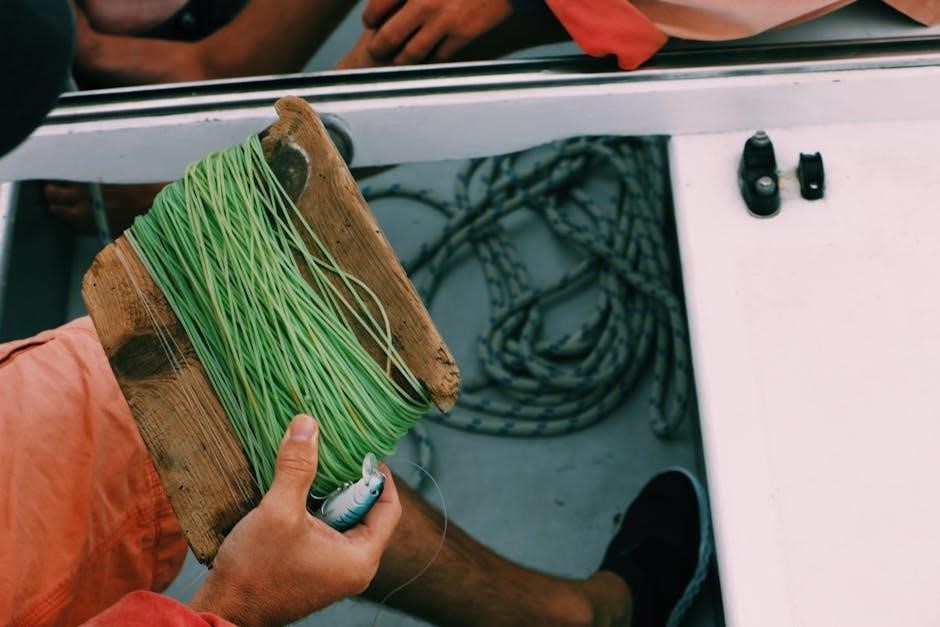
Understanding the correlation between fly line weight and grain weight is crucial for optimal casting and presentation. While a #5 line is commonly referenced, it’s the actual weight in grains that dictates its performance. The first 30 feet of the fly line is the standardized measurement used to determine this weight.
A heavier line (more grains) requires a stiffer rod to load properly, while a lighter line needs a more flexible rod. This balance is key. For instance, a #8 line typically weighs around 200-230 grains, suitable for larger rods and heavier flies. Conversely, a delicate #2 line might weigh only 80-90 grains, ideal for small streams and light presentations.
Knowing the grain weight allows anglers to fine-tune their setup. Factors like fly size, leader length, and casting style can influence the ideal grain weight. Ignoring this correlation can result in poor loops, reduced distance, and difficulty turning over flies effectively, hindering overall fishing success.

Matching Fly Line Weight to Rod Weight
Achieving harmony between rod and line weight is paramount for effective fly fishing. A balanced setup maximizes casting efficiency, accuracy, and overall control, enhancing the angling experience significantly.
The Importance of Balance
A properly balanced fly fishing system—rod, reel, line, and leader—is crucial for a successful and enjoyable experience on the water. This balance directly affects casting performance, allowing anglers to efficiently load the rod and deliver the fly accurately to the target. When the line weight doesn’t match the rod’s specified weight range, several issues can arise.
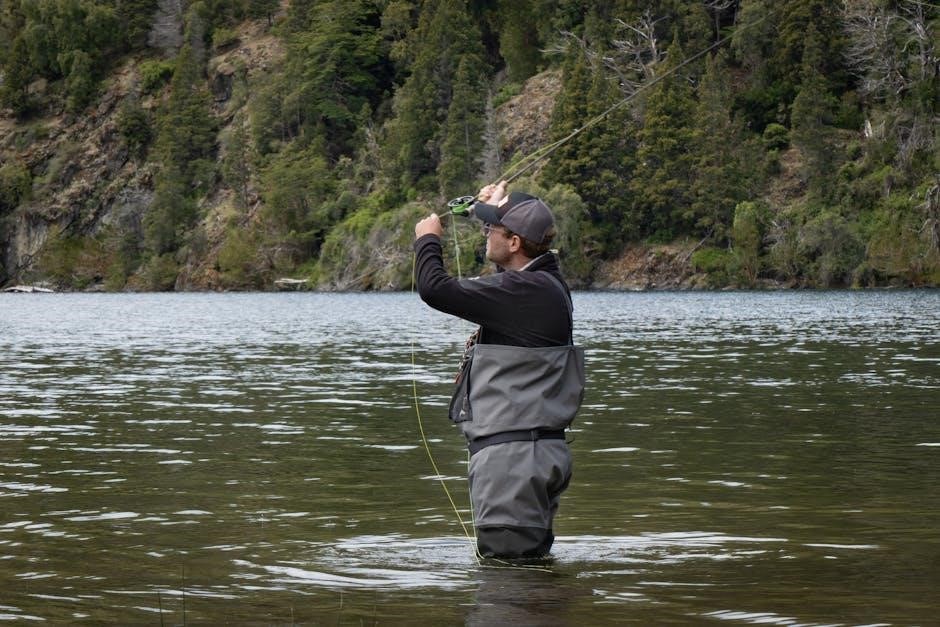
An overweighted line can cause the rod to feel sluggish and difficult to load, leading to poor casting distance and accuracy. Conversely, an underweighted line may struggle to bend the rod sufficiently, resulting in weak casts that lack power and distance. This imbalance can also strain the angler, causing fatigue and frustration.
Furthermore, balance impacts the presentation of the fly. A well-matched system allows for delicate presentations, essential for wary fish. It enables smooth loops and soft landings, minimizing disturbance to the underwater environment. Considering the grain weight, as defined by AFFTA standards, is vital for achieving this optimal balance. Ultimately, a balanced setup translates to more effective fishing and a more rewarding experience.
Rod Weight & Target Species
Selecting the appropriate rod weight, and consequently fly line weight, is intrinsically linked to the species of fish you intend to target. Lighter rods (1-3 weight) are ideal for small streams and delicate presentations to trout and panfish, requiring finesse and accuracy. These rods pair with lighter fly lines, typically ranging from 1 to 3 weight, offering a more subtle approach.
Medium-weight rods (4-6 weight) represent a versatile option, suitable for a wide range of trout fishing scenarios, as well as bass and smaller warmwater species. Correspondingly, fly lines in the 4-6 weight range provide the necessary power and control for these applications. Heavier rods (7-12 weight) are designed for larger species like salmon, steelhead, pike, and saltwater fish.
These rods demand heavier fly lines (7-12 weight) to handle the increased weight and fighting power of these fish. Saltwater fishing often necessitates even heavier lines and robust rod actions to combat strong currents and powerful fish. Understanding the relationship between rod weight, target species, and appropriate fly line weight is fundamental to successful fly fishing.
Fly Line Weight Chart for Trout Fishing
For trout fishing, selecting the correct fly line weight is crucial for optimal presentation and casting efficiency. This chart provides a general guideline, but factors like rod length, casting style, and fly size can influence the ideal choice.
| Rod Weight | Fly Line Weight | Typical Applications |
|---|---|---|
| 1-2 Weight | 1-2 Weight | Small streams, delicate presentations, tiny flies |
| 3 Weight | 3 Weight | Smaller streams, dry fly fishing, moderate distances |
| 4 Weight | 4-5 Weight | Versatile, all-around trout fishing, nymphs & dries |
| 5 Weight | 5-6 Weight | Larger streams, windy conditions, streamer fishing |
| 6 Weight | 6-7 Weight | Big rivers, larger trout, heavier flies, longer casts |
Remember, these are suggestions. A 5-weight rod can effectively use a 4 or 6-weight line depending on conditions. Experimentation is key to finding the perfect balance for your specific setup and fishing style, ensuring accurate casts and effective fly presentation.

Fly Line Weight for Different Fishing Scenarios
Adapting fly line weight to the fishing environment is essential. Smaller streams demand lighter lines for finesse, while larger rivers and saltwater require heavier weights to combat wind and present flies effectively.
Fly Line Weight for Small Streams
When targeting fish in intimate small streams, subtlety and precision are paramount. Overpowering the presentation with a heavy fly line can spook fish and result in missed opportunities. Generally, a 2 or 3-weight fly line is ideal for these environments. These lighter lines allow for delicate presentations, especially when presenting dry flies to rising trout.
The lighter weight also facilitates easier casting in the often-confined spaces found along small streams, where backcasts are limited by trees and brush. A weight-forward (WF) taper in a 2 or 3-weight is a popular choice, offering good casting control and the ability to turn over delicate flies. Consider using a longer leader to further enhance the presentation and drift. Remember that matching the line weight to the rod weight is crucial for optimal performance; a 2-weight line should be paired with a 2-weight rod, and so on. Selecting the correct fly line weight for small streams significantly increases your chances of success.

Fly Line Weight for Large Rivers
Large rivers demand fly lines capable of handling wind, current, and longer casting distances. Unlike the finesse required for small streams, larger rivers often necessitate a more robust approach. Typically, a 5, 6, or even 7-weight fly line is appropriate, depending on the river’s size, current speed, and the species you’re targeting.
These heavier lines cut through the wind more effectively and provide the necessary weight to deliver flies accurately over considerable distances. A weight-forward (WF) taper is particularly beneficial in these conditions, offering excellent casting distance and the ability to manage larger flies and streamers. Consider using a shorter leader to maintain control and prevent excessive drag in strong currents. When nymphing in large rivers, a heavier line helps maintain bottom contact. Proper line weight selection ensures you can effectively present your fly and combat the challenges presented by larger river systems, maximizing your fishing efficiency and enjoyment.
Fly Line Weight for Saltwater Fishing
Saltwater fly fishing presents unique challenges demanding specialized fly line considerations. Wind, powerful fish, and often larger fly patterns necessitate heavier line weights than freshwater applications. Generally, a 7, 8, 9, or even 12-weight line is common, depending on the target species and conditions.
For bonefish and smaller saltwater species, an 7 or 8-weight is often sufficient, while pursuing tarpon, tuna, or other large predators requires a 9-weight or heavier. Saltwater lines frequently feature a stiffer coating to resist saltwater’s corrosive effects and enhance durability. Weight-forward tapers excel in saltwater, providing the power needed for long casts and quick retrieves. Floating lines are standard for most saltwater scenarios, but sinking-tip or full-sinking lines can be advantageous when fishing deeper waters or targeting bottom-dwelling species. Selecting the correct line weight is crucial for effectively battling powerful fish and enjoying a successful saltwater fly fishing experience.

Beyond Weight: Fly Line Taper & Profile
Fly line taper and profile significantly influence casting performance and presentation. Weight-forward, double-taper, and level tapers each offer distinct advantages, impacting energy transfer and fly delivery characteristics.
Weight-Forward (WF) Tapers
Weight-Forward (WF) tapers are the most popular choice among fly anglers, renowned for their versatility and ease of casting. These lines feature a heavier front portion, typically the first 20-30 feet, concentrating the weight towards the tip. This design facilitates effortless casting, especially in windy conditions, and allows for tighter loops and greater accuracy.
The concentrated weight aids in loading the rod efficiently, generating power for longer casts. WF tapers excel in a wide range of fishing situations, from dry fly fishing on stillwaters to streamer fishing in rivers. They are particularly effective when needing to cut through the wind or deliver a fly quickly to a distant target.
Within the WF category, variations exist, including WF floating, sinking-tip, and full-sinking lines. Floating WF lines are ideal for dry fly and general purpose fishing, while sinking-tip lines offer a controlled descent for subsurface presentations. Full-sinking WF lines are best suited for deepwater fishing where a fast sink rate is crucial. The versatility of WF tapers makes them a staple for both beginner and experienced fly fishers.
Double-Taper (DT) Tapers
Double-Taper (DT) lines represent a classic design, characterized by a gradual taper at both the front and back ends of the line. This symmetrical profile offers a delicate presentation and exceptional control, making them a favorite among purists and anglers focused on finesse. DT lines distribute the weight more evenly throughout the line, requiring a smoother, more deliberate casting stroke.
The balanced design of DT lines promotes a natural loop turnover, resulting in soft landings ideal for presenting dry flies to wary trout. They are particularly well-suited for shorter to medium-range casts and calm conditions. A key advantage of DT lines is their reversibility; as one end wears, simply cut off the worn section and turn the line around, effectively doubling its lifespan.
However, DT lines can be more challenging to cast than WF lines, especially for beginners. They require precise timing and a good understanding of casting fundamentals. While less popular than WF tapers for general use, DT lines remain a valuable tool for anglers seeking a refined presentation and a connection to traditional fly fishing techniques.
Level (L) Tapers
Level (L) fly lines are the simplest in design, featuring a consistent diameter throughout their entire length. Unlike tapered lines, they lack a distinct front taper or belly, presenting a uniform weight distribution. This simplicity makes them incredibly affordable and durable, often serving as excellent backing lines or for specialized applications.
Level lines are best suited for situations where long casts aren’t required, such as fishing small streams or ponds. They excel in roll casting and spey casting techniques, where a smooth, even delivery is paramount. Because of their uniform thickness, they can suffer from increased drag during casts, potentially reducing distance and accuracy compared to tapered lines.
Traditionally, Level lines were made from silk, but modern versions utilize synthetic materials for enhanced durability and floatation. While not the most versatile option for all-around fly fishing, Level lines offer a cost-effective and reliable choice for specific techniques and environments, particularly when paired with shorter rods and lighter tippets.